

When you use a porta potty in Lincoln, you’re utilizing a gravity-fed system where waste drops into a sealed polyethylene holding tank containing chemical deodorizers that break down solids and neutralize odors. The unit’s roof-mounted vent stack creates natural airflow to prevent gas buildup, while the high-density polyethylene walls resist weather damage. You’ll find hand sanitizer dispensers and toilet paper supplied regularly by trained technicians who service these self-contained units to uncover supplementary operational details.
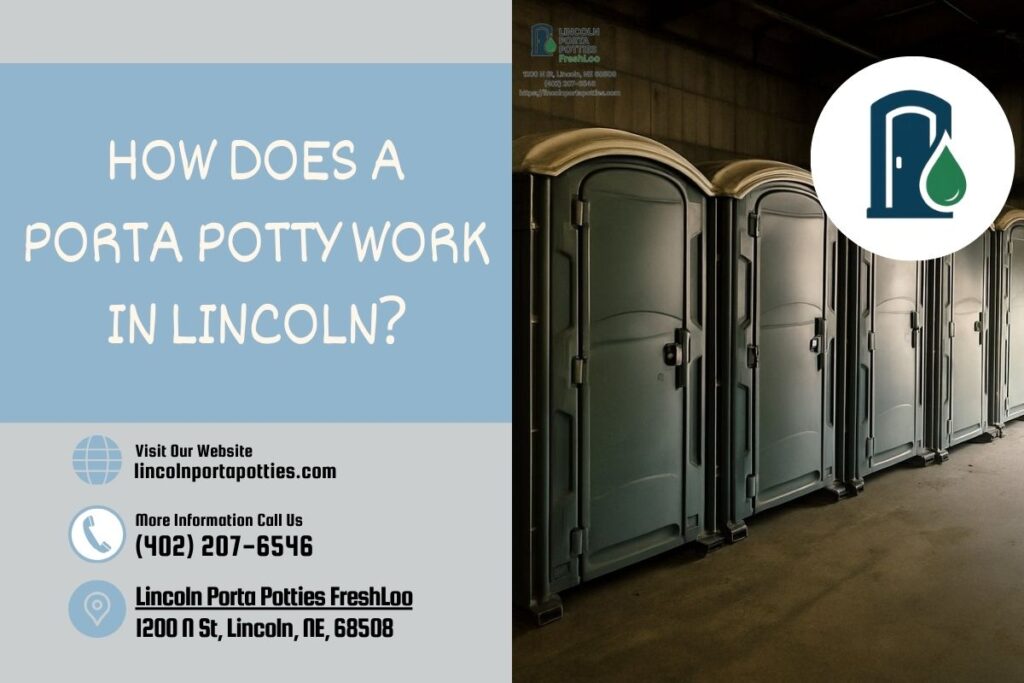
Functionality drives every element of a porta potty’s construction in Lincoln’s demanding climate.
You’ll find the core structure features high-density polyethylene walls that resist UV degradation and temperature fluctuations from Nebraska’s harsh winters to scorching summers. The waste tank sits beneath a sealed toilet seat assembly, creating a gravity-fed system that requires no external power source.
Your unit’s ventilation system features strategically positioned vents that maintain airflow while preventing odors from escaping. The holding tank utilizes specialized chemical formulations that break down waste and control bacterial growth.
Door mechanisms feature spring-loaded latches with occupied/vacant indicators, ensuring user privacy and safety. Interior components include hand sanitizer dispensers, toilet paper holders, and non-slip flooring designed for stability during Lincoln’s frequent wind conditions.
See also: Lincoln portable toilet rental
When you examine a porta potty’s structural framework, you’ll uncover that each component serves a critical engineering purpose in Lincoln’s variable weather conditions. The high-density polyethylene shell provides superior durability against Nebraska’s temperature fluctuations and UV exposure while maintaining structural integrity.
You’ll notice the ventilation system operates through strategic airflow design. The roof-mounted vent stack creates natural convection currents, drawing fresh air through lower intake vents while expelling odors upward. This passive system doesn’t require power, ensuring consistent performance.
The unit’s base features reinforced corners and interlocking panels that resist wind loads up to 70 mph. Internal ribbing distributes weight evenly, preventing structural failure.
The door mechanism incorporates spring-loaded hinges and magnetic latches, providing reliable closure while accommodating thermal expansion throughout Lincoln’s seasonal extremes.
The heart of every porta potty lies in its engineered waste containment system, where a high-capacity holding tank stores and isolates human waste through carefully designed chemical processes.
You’ll find this sealed polyethylene tank positioned beneath the toilet seat, typically holding 60-250 gallons depending on unit specifications.
The system employs specialized biocides and deodorizers that break down waste while preventing bacterial growth and odor formation.
These blue or pink chemicals create an inhospitable environment for pathogens while maintaining proper pH levels for decomposition.
You’re protected by multiple containment barriers: the primary tank walls, secure lid seals, and overflow prevention mechanisms.
The tank’s smooth interior surfaces facilitate complete evacuation during service, while graduated level indicators help technicians monitor capacity and schedule ideal pumping intervals for continuous operation.
Beyond the physical storage components, waste management within a porta potty operates through a multi-stage process that begins the moment material enters the holding tank.
You’ll find that chemical deodorizers immediately neutralize odors while breaking down solid waste through enzymatic action. The blue liquid you see contains biocides that prevent bacterial growth and maintain sanitary conditions.
When you flush, fresh water rinses the bowl while gravity directs waste into the sealed holding chamber below.
The tank’s design creates an anaerobic environment that slows decomposition, preventing gas buildup and maintaining structural integrity.
Advanced formulations now include color indicators that signal when tanks require servicing, ensuring peak performance.
This systematic approach transforms waste disposal into a controlled, hygienic process that protects both users and maintenance crews.
Three primary chemical categories work together to eliminate odors in modern porta potties, each targeting specific aspects of waste decomposition.
You’ll find biocides that neutralize odor-producing bacteria, preventing anaerobic fermentation that creates hydrogen sulfide and ammonia gases.
Surfactants break down waste particles while creating a protective barrier that traps volatile compounds before they escape into the air.
Deodorizers don’t just mask smells—they chemically bond with malodorous molecules, rendering them undetectable.
These formulations use enzymatic action to accelerate waste breakdown, converting complex organic compounds into less offensive substances.
The blue dye you see isn’t merely aesthetic; it indicates proper chemical concentration and helps monitor solution levels.
Advanced formulations now incorporate eco-friendly components that maintain effectiveness while reducing environmental impact during waste processing at treatment facilities.
Once chemical treatments begin their work, waste materials undergo a controlled decomposition process that transforms solid and liquid waste into manageable compounds.
You’ll find that enzymatic reactions break down organic matter through targeted molecular pathways, converting complex proteins and carbohydrates into simpler, more stable forms.
The decomposition occurs in stages: initial bacterial action liquefies solids, while specialized enzymes attack specific waste components.
You’re witnessing a carefully engineered biological process that accelerates natural breakdown cycles from months to days.
Advanced biocatalysts guarantee complete waste processing while maintaining system safety.
This controlled environment prevents the proliferation of harmful pathogens and reduces volume by up to 70%.
The result? You get efficient waste management that transforms potentially hazardous materials into environmentally neutral compounds ready for proper disposal.
When porta potty units reach capacity or scheduled intervals, trained technicians deploy specialized vacuum trucks equipped with high-powered pumping systems to extract waste materials.
You’ll witness precision-engineered processes that guarantee complete waste removal while maintaining sanitary conditions throughout the operation.
The maintenance protocol involves systematic chemical replenishment using biodegradable formulations that enhance decomposition rates.
Technicians perform thorough interior sanitization using EPA-approved disinfectants, focusing on high-touch surfaces and contact points.
You’ll notice they inspect structural integrity, checking door mechanisms, ventilation systems, and holding tank seals.
Advanced monitoring systems track usage patterns, enabling predictive maintenance scheduling that prevents overflow situations.
This data-driven approach guarantees peak performance while minimizing environmental impact.
Each unit receives fresh toilet paper, hand sanitizer, and deodorizing agents, maintaining hygienic standards that exceed industry benchmarks for your Lincoln events.
The pumping process begins with technicians positioning the vacuum truck’s intake hose directly into the porta potty’s holding tank access port.
You’ll see powerful suction systems extract waste and liquid contents within minutes, creating negative pressure that guarantees complete evacuation. Advanced filtration prevents debris from entering the truck’s storage compartments.
Following extraction, technicians deploy high-pressure washing systems that deliver precisely calibrated water streams throughout the interior surfaces.
You’ll notice specialized nozzles targeting corners, walls, and the toilet seat area with surgical precision. Industrial-grade disinfectants neutralize harmful bacteria and eliminate odors during the cleaning cycle.
Fresh water then rinses all surfaces, removing chemical residues.
Ultimately, technicians add new deodorizing chemicals and replenish consumables, such as toilet paper and hand sanitizer, ensuring your unit meets stringent hygiene standards.
After completing the sanitization process, technicians systematically replenish each porta potty’s vital supplies through established inventory protocols.
You’ll observe our service teams executing precise restocking procedures that secure peak functionality between rental periods.
Our technicians methodically restore fundamental components using standardized checklists:
This systematic approach ensures that you’ll receive fully equipped units that meet Lincoln’s health department regulations and exceed industry cleanliness standards.
Beyond basic sanitation and supply management, today’s portable restroom units incorporate advanced technological features that improve user experience and operational efficiency.
You’ll find solar-powered LED lighting systems that eliminate battery replacement needs while providing consistent illumination. Hand sanitizer dispensers now feature touchless sensor activation, reducing the risk of contamination. Advanced ventilation systems utilize battery-powered fans with programmable timers, maintaining ideal air circulation.
GPS tracking modules allow real-time monitoring of unit locations and service schedules. You can access smart waste level sensors that transmit capacity data, enabling proactive scheduling of maintenance.
Temperature-controlled units feature HVAC systems for extreme weather conditions. Digital occupancy indicators display availability status, preventing unnecessary waiting. Anti-tip sensors trigger alerts during severe weather events, ensuring safety protocols activate automatically for thorough protection.
Two distinct upgrades transform standard portable restrooms into premium sanitation facilities: flushable toilet systems and integrated handwashing stations.
Flushable porta potties incorporate pressurized water systems that deliver fresh water for waste removal while simultaneously refilling the bowl.
You’ll activate the flush mechanism through foot pedals or hand pumps, creating a familiar bathroom experience that improves user comfort and maintains cleanliness.
Integrated handwashing stations feature:
These innovations address hygiene concerns while meeting the raised sanitation standards for construction sites, events, and commercial applications that require superior cleanliness protocols.
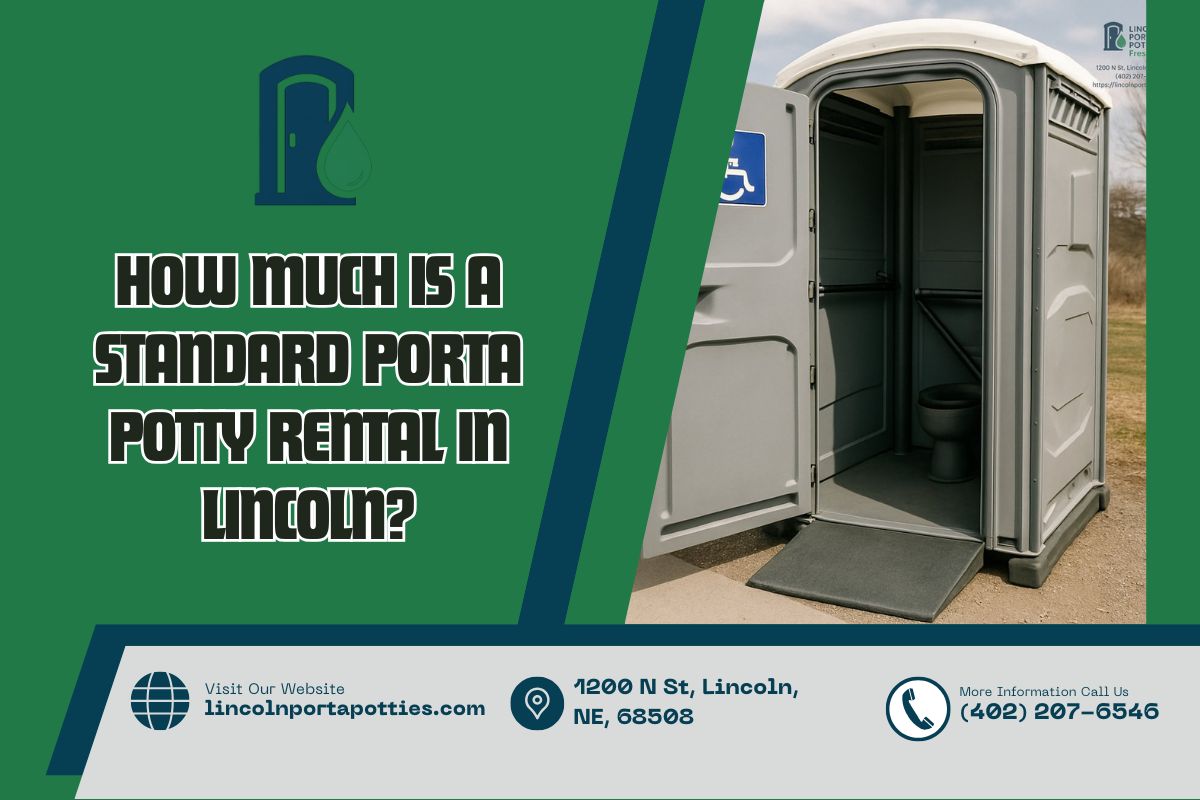
ADA-compliant portable restrooms meet federal accessibility requirements through enlarged interior dimensions, reinforced structural components, and specialized safety features. You’ll find wheelchair-accessible ramps, wider doorways (minimum 32 inches), and an interior turning radius of 60 inches. Grab bars support 250-pound loads, while lowered fixtures accommodate seated users.
| ADA Features | Luxury Improvements |
|---|---|
| Anti-slip flooring | Hardwood interiors |
| Height-adjustable sinks | Climate control systems |
| Emergency lighting | Premium fixtures |
Luxury units integrate advanced ventilation systems, LED lighting arrays, and temperature regulation. You’ll experience porcelain fixtures, running water systems, and sound-dampening materials. These units employ solar-powered electrical systems and waste processing technology that minimizes odors through specialized filtration. Premium models feature mirror installations, coat hooks, and antibacterial surfaces for improved user experience.
You’ll pay $75-150 for standard porta potty rentals in Lincoln, depending on duration and features. We’ll provide transparent pricing for basic units, deluxe models, and ADA-compliant options that meet your project’s specific sanitation requirements.
You can rent porta potties for any duration—from single-day events to multi-month projects. Lincoln Porta Potties FreshLoo’s flexible rental periods accommodate your specific timeline, ensuring reliable sanitation solutions throughout your event’s lifecycle.
Yes, we’ll deliver and pick up porta-potties throughout Lincoln and the surrounding areas. You’ll receive scheduled delivery confirmation and GPS tracking updates. Our certified technicians will handle safe positioning and secure retrieval using specialized equipment for your convenience.
You’re responsible for repair costs if damage occurs during your rental period. We’ll assess the damage upon pickup and invoice you accordingly. However, normal wear and tear won’t incur extra charges.
Yes, you can use porta potties in Nebraska winters. We’ll equip your units with antifreeze additives, insulated tanks, and weatherproof seals to prevent freezing. Our winterized systems guarantee reliable operation even in sub-zero temperatures.






© 2026 Lincoln Porta Potties FreshLoo. All Rights Reserved.